
Ice dams form when heat escaping into the attic melts snow that refreezes at the cold eaves, backing water up under the shingles. In Colorado Springs, the mix of heavy snow and bright, cold sun makes them common. This guide from Lianro Metal Roofs explains what causes ice dams, how to prevent them, and how to deal with one safely.
An ice dam is a ridge of ice that builds up at the edge of a roof and stops melting snow from draining. It happens when the upper part of the roof is warmer than the eaves. Heat leaking from the living space warms the roof deck, melts the snow above it, and that meltwater runs down to the cold overhang - which sits beyond the heated space - where it refreezes. As the cycle repeats, the ice grows into a dam, and the water pooling behind it works its way under the shingles and into the attic or walls.
In Colorado Springs, deep snowfalls followed by clear, cold, sunny days create ideal ice-dam conditions. The problem is almost never the roofing material itself. It is a combination of attic heat loss, poor ventilation, and insufficient insulation - which is good news, because those are fixable.
If a dam has already formed, resist the urge to chip at it with a hammer or hatchet - you will almost certainly damage the shingles or gutters underneath. Do not climb onto a snow-covered, icy roof either. The safest homeowner step is to rake snow off the lower roof from the ground to stop the dam from growing, and to gently clear a drainage channel if you can reach it safely. For a stubborn or large dam, a professional can steam it off without harming the roof. Once the ice is gone, address the underlying attic issue so it does not return next winter.
A metal roof does not fix the underlying cause - attic heat loss and poor ventilation still need to be corrected - but its smooth, interlocking surface sheds snow more readily than granular asphalt, which reduces the standing snow that feeds a dam. Paired with proper insulation, ventilation, and an ice-and-water shield membrane at the eaves, a stone-coated steel roof is a strong choice for snow-heavy Front Range homes. When we replace a roof, correcting ventilation and adding eave membrane is part of the job.
If you see water stains on ceilings or walls, damp attic insulation, or large icicles and ice at the eaves each winter, those are signs of an active ice-dam problem and possible water intrusion. A documented roof inspection identifies where water is getting in and whether the fix is insulation, ventilation, membrane, or a combination.
If ice dams keep coming back, the roof and attic need a closer look. Call Lianro Metal Roofs at 719-481-8026, Monday through Friday, 8 AM to 4 PM, or request a free inspection online.
Our comprehensive buyer’s guide is specially designed to help you make an informed choice about your roof today.

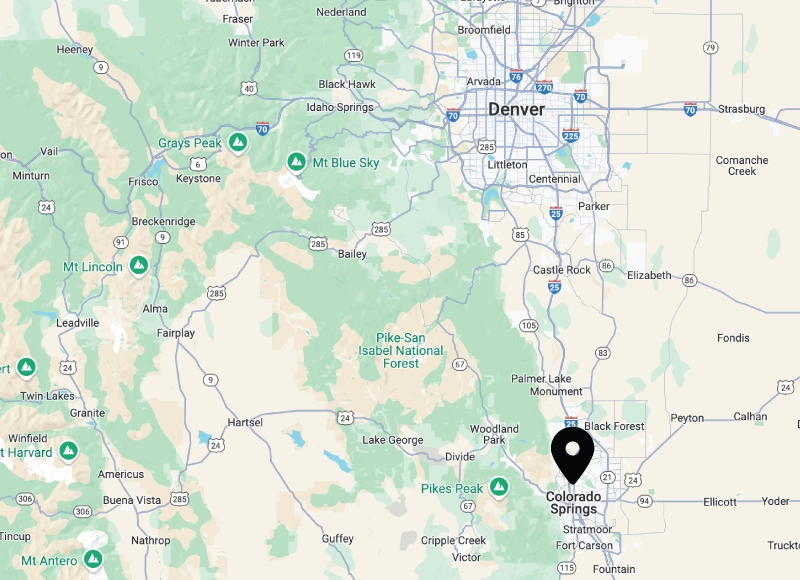
We proudly serve the following communities in Southern & Eastern Colorado:
Call us to find out if we serve your location or see our full service area by clicking the button below.

© Red Barn Media Group 2026