
A Season-by-Season Guide for Front Range Homeowners

Colorado Roof Maintenance Calendar

Colorado is hard on roofs. Intense high-altitude UV, heavy snow load, freeze-thaw swings, and one of the country's most active hail patterns all take a toll across the year. This month-by-month calendar from Lianro Metal Roofs tells you what to check and when, so small problems get caught before they become leaks.

Why Colorado Roofs Need a Maintenance Routine

A roof in Colorado works harder than one almost anywhere else. Summer brings hail and monsoon downpours, winter brings heavy snow and ice, and the thin high-altitude air lets UV degrade materials faster year-round. The goal of a maintenance routine is not to add chores - it is to spot the early signs of wear, hail bruising, and flashing failure while a repair still costs a fraction of a replacement. Twice-a-year professional inspections plus a few seasonal homeowner checks are enough to add years to most roofs.

The Month-by-Month Roof Maintenance Calendar

  1. January - Watch for ice dams and snow load. After heavy snow, look for icicles and ice buildup at the eaves, which signal ice dams. Check attic insulation and ventilation, the root cause of most dams.
  2. February - Inspect the attic during a thaw. Look for water stains, damp insulation, or daylight around penetrations. Interior signs often show up before exterior ones in winter.
  3. March - Check for winter wind and freeze-thaw damage. Scan for lifted or missing shingles, cracked sealant, and displaced flashing after the windy late-winter weeks.
  4. April - Clear gutters and downspouts. Flush out winter debris so spring rain and snowmelt drain away from the foundation. Confirm downspouts still extend well past the wall.
  5. May - Schedule a spring professional inspection. Before hail season peaks, have a contractor document your roof's baseline condition so any later storm damage is easy to prove.
  6. June - Prepare for hail season. Trim branches overhanging the roof, secure loose patio items, and note your policy's wind-and-hail deductible so you are ready if a storm hits.
  7. July - Inspect after every significant storm. This is the heart of hail and monsoon season. After any storm with 1-inch or larger stones, look for dented metal, granules in the gutters, and bruised shingles.
  8. August - Document and file promptly. If a July or August storm caused damage, get a contractor scope and file while the storm date is fresh and the National Weather Service report is on record.
  9. September - Check seals, flashing, and valleys. As temperatures drop, inspect sealant around vents, chimneys, and skylights, and clear valleys of debris before the leaves fall.
  10. October - Clean gutters again and prep for snow. Remove fall leaves so the first snows drain properly, and confirm attic ventilation is clear ahead of winter.
  11. November - Schedule a fall professional inspection. A second yearly inspection catches summer hail wear and gets minor repairs done before the freeze locks them in.
  12. December - Monitor snow load and safe removal. After deep snowfalls, watch heavy accumulation on low-slope sections and use a roof rake from the ground - never climb an icy roof.

The Two Inspections That Matter Most

If you do nothing else on this list, book the spring and fall professional inspections. The spring visit sets a documented baseline right before hail season, which makes any summer claim far easier to support. The fall visit catches the wear that season left behind and gets small repairs done before winter freezes everything in place. Our free roof inspections produce photos and a written condition report you can keep on file.

When Maintenance Is No Longer Enough

Every roof reaches a point where repairs cost more than they return. If your asphalt roof is 20-plus years old, has been through multiple hail seasons, or keeps needing spot fixes, it may be time to replace - and to consider a Class 4 impact-rated system that resists the hail that wears out ordinary shingles. Stone-coated steel from DECRA and Boral Steel, and IKO Dynasty asphalt with ArmourZone, all carry the UL 2218 Class 4 rating and qualify most Colorado homeowners for an insurance discount. Read our stone-coated steel vs asphalt comparison or the full Colorado Springs roofing cost guide to weigh your options.

Start With a Free Roof Inspection

Whether you are keeping up with maintenance or weighing a replacement, a documented inspection is the right first step. Call Lianro Metal Roofs at 719-481-8026, Monday through Friday, 8 AM to 4 PM, or request an inspection online.

Not Sure Where to Start?
Get our FREE Roof Buyer’s
Guide & Roof Inspection
($347 value)

Our comprehensive buyer’s guide is specially designed to help you make an informed choice about your roof today.

Our Guide Includes Information On:

  • Do I need to replace my roof?
  • How much will it cost?
  • Does insurance cover roof replacement?
  • What should I look for when hiring a reputable roofer?
  • What type of roof should I buy?
  • What is the advantage of a metal roof?
  • Is your crew made up of subcontractors or employees?
Get your free buyer's guide from Lianro Metal Roofs Get your free buyer's guide from Lianro Metal Roofs

Start Your Instant Download

Get a FREE Roof Buyer's Protection Kit Including Guide & Inspection

Instant Download. (Valued at $347)

Marketing by

What Our Customers Are Saying

Our Service Areas Across Colorado’s Front Range

We proudly serve the following communities in Southern & Eastern Colorado:

Don't see your town listed?

Call us to find out if we serve your location or see our full service area by clicking the button below.
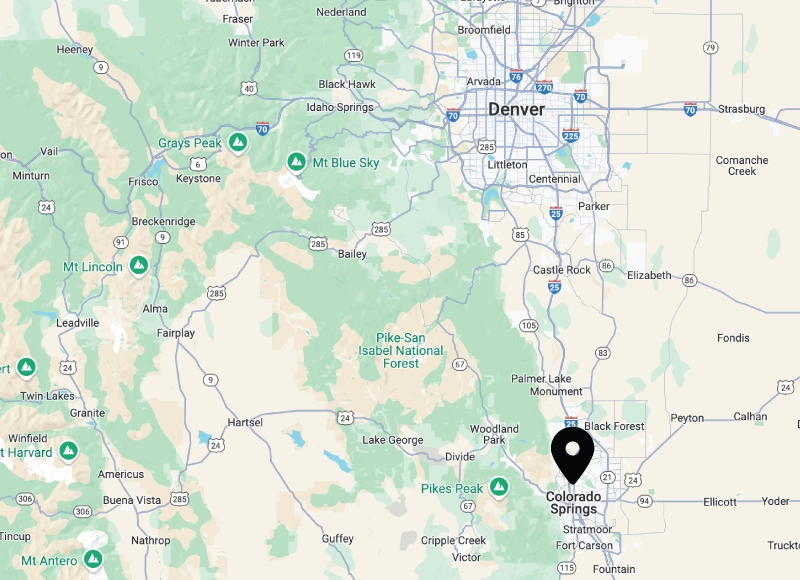
Lianro Metal Roofs Service Area Lianro Metal Roofs Service Area
Lianro Metal Roofs - Colorado Springs, CO - 719-481-8026

© Red Barn Media Group 2026